
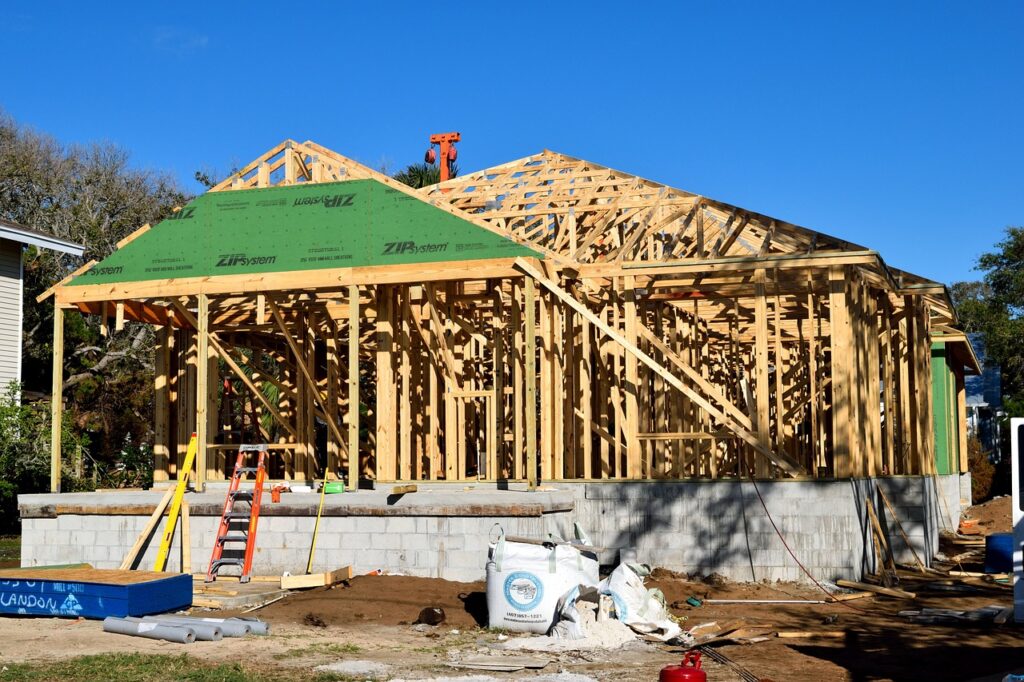
A construction mortgage in Canada is a short-term loan used to finance the building of a new home or major renovation. It provides funds in stages, releasing money as construction progresses rather than giving the full amount upfront. This method helps manage costs and reduces interest payments during the build.
Unlike a traditional mortgage, a construction mortgage requires detailed plans, budgets, and a qualified builder before approval. Borrowers typically convert the loan into a regular mortgage once construction is complete, making it essential to understand both phases before starting the process.
Navigating construction mortgages can be complex due to its unique structure and requirements. Knowing how these loans work helps borrowers plan better and avoid common pitfalls during their home-building journey.
Understanding Construction Mortgages in Canada
Construction mortgage Canada covers financing during the building phase rather than buying an existing home. They involve staged payments tied to construction progress and differ from traditional mortgages in structure and management. Various types of construction mortgages cater to different project and borrower needs.
How a Construction Mortgage Works
A construction mortgage provides funds in increments, known as “draws,” as building milestones are met. The borrower typically pays interest only on the amount advanced, not the entire loan. This reduces interest costs during construction.
Lenders require detailed plans, permits, and a construction timeline before approving the mortgage. Inspections occur before each draw to verify progress. Once the home is complete, the mortgage converts into a standard home loan for regular payments.
Borrowers must manage budgets carefully, as overruns or delays can affect financing. The draw schedule ties funds directly to verified work, limiting risk for both the lender and borrower.
Differences Between Construction and Traditional Mortgages
Construction mortgages fund a home in phases, while traditional mortgages provide a lump sum for an existing property. Interest payments on construction loans are usually interest-only during the build, switching to principal and interest afterward.
Lenders have stricter requirements for construction loans, including detailed project documentation and regular inspections. Loan-to-value ratios may be lower because of the perceived risk in building projects.
Disbursement is controlled with draw schedules, unlike traditional mortgages where the full amount is paid at once. This phased approach affects how interest accrues and how payments are structured.
Types of Construction Mortgages Available
Construction-to-Permanent: Converts to a regular mortgage once construction finishes, allowing one closing and less paperwork. Interest-only payments apply during construction.
Stand-Alone Construction Mortgage: Separate from the permanent mortgage. Borrower pays off the construction loan entirely before securing a traditional mortgage. This means two closings and potentially higher costs.
Owner-Builder Loan: For those managing their own build without a general contractor. Lenders require more thorough reviews of plans and experience for approval.
Each type varies in terms, fees, and approval criteria. Selection depends on borrower circumstances and project complexity.
Application and Approval Process
The process for securing a construction mortgage in Canada involves meeting specific eligibility standards, preparing adequate down payments, and gathering the necessary paperwork. Borrowers must also follow a clear sequence of steps to receive approval from lenders.
Eligibility Requirements
Applicants typically need a strong credit score, generally above 680, to qualify for a construction mortgage. Lenders also require proof of stable income and a low debt-to-income ratio, often below 40%.
The borrower must usually be the primary owner or builder of the property under construction. Many lenders require detailed plans and permits before approving the loan.
Additionally, some institutions insist on experience in construction or related fields. Non-resident applicants may face stricter criteria or additional documentation requests.
Down Payments and Financial Considerations
Down payments for construction mortgages in Canada usually range from 20% to 25% of the total project cost. This is higher than typical home purchase mortgages due to increased risk for lenders.
Borrowers must also budget for additional costs such as insurance, property taxes, and interest-only payments during the build phase. Lenders may require proof of reserve funds to cover these expenses.
Interest rates for construction mortgages tend to be variable and slightly higher than standard mortgage rates. Borrowers should factor this into their loan affordability calculations.
Required Documentation
Key documents include a detailed construction plan, cost estimates, and building permits issued by local authorities. Lenders also demand proof of income, such as recent pay stubs or tax returns.
Applicants must provide credit reports and statements of existing debts. In some cases, letters of reference from suppliers or contractors supporting the project’s viability are necessary.
Proof of down payment source and a contingency budget for unexpected expenses should also be submitted. Some lenders may require appraisals or inspections before final approval.
Step-by-Step Approval Process
The process begins with pre-qualification, where the lender assesses creditworthiness and income. Next, the borrower submits detailed construction plans and financial documentation.
Upon review, the lender performs an appraisal or inspection of the property site. If approved, the lender issues a conditional offer outlining terms and draw schedules.
Draw requests occur at key construction milestones, releasing funds for completed work. Final mortgage conversion happens once construction finishes and the property is appraised at its post-construction value.